




Ensure Customer Satisfaction & Protect Your Revenue by Optimizing Order Fulfillment
Nobody reviews a restaurant’s menu. They review the plate that showed up cold, forty minutes late, or covered in the one thing they asked the kitchen to leave off.
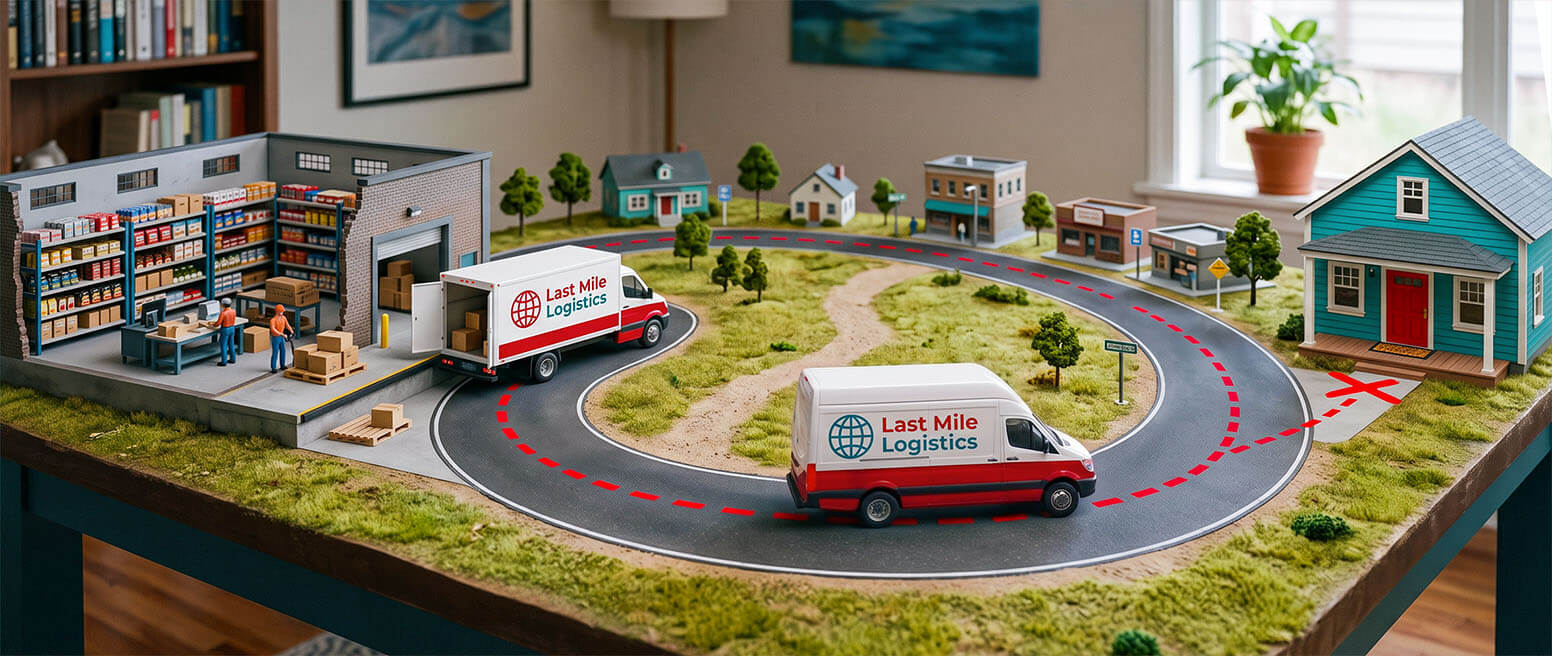
Your online store gets judged the same way. It’s the box that lands on the doorstep; whether it’s in good shape and intact. Whether it came when you said it would, and whether the right thing was inside. When an order is late or damaged, or the wrong thing is inside, you pay for it. In refunds, in disputes, and in shoppers who never come back.
So, what happens between the click and the doorstep? What can you do to ensure customer satisfaction? Today, I’m going to walk you through order fulfillment, step by step, and show you where it tends to break down
Recommended reading
- eCommerce Delivery: A Strategy Guide to 2026 Best Practices
- Top 15 Customer Returns Reasons in 2026 & How to Avoid Them
- Top Business Challenges Facing SMBs in 2026
- eCommerce Conversion Optimization: 16 CRO Best Practices
- Checkout Friction: What to Remove & What to Keep in 2026
- eCommerce Return Rate: 5 Steps to Keep Refunds in Check
What is Order Fulfillment?
- Order Fulfillment
Order fulfillment describes the process of receiving and delivering goods to your customers. This can include inventory management, order processing, shipping, and return intake, among other operations.
[noun]/ôr • dər • fo͝ol • fil • mənt/
In simple terms, eCommerce order fulfillment means ensuring customers get the goods they purchase over the internet. Packing, labeling, and shipping are all part of the process. That said, fulfillment actually starts long before the sale. And it continues long after delivery.
Maintaining inventory falls under the umbrella of order fulfillment, as does handling and restocking returns. When customers return merchandise, someone needs to log it back into your inventory to be resold.
The online order fulfillment chain is actually a lot more like a circle. Fulfillment managers have to wear a lot of different hats in that circle. Amazon, Walmart, and other gigantic online retailers with a lot of resources at their disposal have trained customers’ expectations. In 2025, roughly two-thirds of global eCommerce parcels were delivered within two days or less. 39% of US shoppers expect free, two-day shipping as a standard service; not a premium add-on.
Amazon, Walmart, and other gigantic online retailers with a lot of resources at their disposal have trained customers’ expectations. According to one report, 53% of shoppers say that delivery speed is an important consideration when it comes to online orders. Another study shows that 38% of shoppers who’ve had a bad delivery experience will never shop with that retailer again.
Steps in the Order Fulfillment Process
There is no single fulfillment strategy that will work for every business. However, some steps are common to nearly all processes. In order, they are: receiving inventory, storing it, processing the order, shipping it, and handling any returns.
It’s possible that something could go wrong at any one of those stages.
Five stages of fulfillment.
Five places a dispute can start.
-
STAGE 01
Receiving inventory
Inbound stock is counted, checked against the purchase order, and logged into inventory.
RISKA miscount. The system says twelve jackets; the shelf holds eleven. You sell one you don’t have.
-
STAGE 02
Inventory storage
Each item is shelved in a known location, protected, and easy to find when an order comes in.
RISKPoor storage. An item is damaged in the rack, or can’t be found when it’s picked.
-
STAGE 03
Order processing
The order is picked, verified against the ticket, and packed.
RISKA rushed pick puts the wrong item in the box. It comes back as a “not what I paid for” dispute.
-
STAGE 04
Shipping
The package leaves on time, with tracking, and arrives as promised.
RISKA late or lost shipment. It comes back as a “never received” dispute.
-
STAGE 05
Returns
The item is received, inspected, refunded, and logged back into stock.
RISKA return that isn’t refunded or logged. A dispute, and a wrong stock count going forward.
So, that should provide a basic overview, but here’s a little more detail on all of those points:
Order Fulfillment Models: Is In-House or Outsource Better?
There are essentially four basic order fulfillment strategies used by eCommerce merchants. You can opt for in-house fulfillment, fulfillment through a third party, a dropshipping model, or a hybrid of the three.
In-House Fulfillment
Going the in-house route for order fulfillment means relying on your own team to handle every part of getting orders out the door, from storing to shipping.
In-house fulfillment can be a smart, wallet-friendly choice, particularly for smaller operations. But, you may want to adjust as you grow and start needing more space. It's all about growing and adapting to what your business needs.
| Pros | Cons |
| You retain control over every step of the process | Much bigger up-front investment (software, packing materials, warehouse, etc.) |
| Ability to use custom, branded packaging (some providers offer this, as well) | Time- and work-intensive for internal teams |
| Directly connected to the customer experience | Requires logistics expertise |
| Directly connected to the internal team | Fewer resources are available to grow other facets of the business |
Outsourced Fulfillment (3PL)
Outsourcing fulfillment means passing the baton for tasks like shipping, inventory management, and returns to a third-party logistics provider (often shortened to “3PL”). This is a go-to move for companies that are a bit tight on space, or which don’t have enough hands on deck to fulfill orders.
The third-party team has their own warehouse, so you don't have to worry about finding room for all your stuff. It's a tidy solution if you’re not keen on pouring funds into your own storage space.
| Pros | Cons |
| Reduces typical order fulfillment time | Loss of direct control |
| Offload the burden of staffing onto the provider | Merchant is responsible for provider mistakes |
| Improved scalability; expansion is easier, even into foreign countries | Little, if any, ability to customize packaging |
| Often leads to lower cost-per-order | Cost-per-order savings may be eclipsed by provider add-on fees |
| Logistics expertise | Longer-term cost of outsourcing (as opposed to investing in your own system) |
Order fulfillment missteps can lead to chargebacks.
We can show you how to remove these potential triggers.
Request a Demo
Dropshipping
With drop-ship fulfillment, you don’t purchase inventory until after a customer places an order. After the sale, you send the order to the vendor or manufacturer, along with the customer’s name and address. This lets the vendor ship directly to the consumer.
The supplier is responsible for processing all orders and dispatching them directly to the customers. You generally pay the supplier only for the items sold.
| Pros | Cons |
| Requires little-to-no start-up capital | Lower-than-average margins |
| Less day-to-day hassle for you | Limited supply chain oversight/control |
| Minimal overhead and warehouse space necessary | Potential for unreliable vendors |
| Virtually unlimited number and type of product offerings | Greater number of players, which complicates customer service |
| Easily scalable | Increased risk of fraud, particularly with overseas vendors |
With dropshipping, many suppliers and platforms charge fees on top of the cost of the items sold. Check with your contractors to see if they plan to apply any fees like this.
Hybrid Fulfillment
Each approach outlined above has its benefits and drawbacks. But, you can also adopt a hybrid approach, meaning that you outsource certain operations while keeping others in house.
With this approach, you might handle certain orders internally, like those involving custom products or items requiring assembly prior to shipment. You can then engage in dropshipping for standard, non-customized goods.
This strategy can work well if you handle some items that are less frequently bought than others, or if you have products that you can’t store onsite, like bulky or high-value items. The hybrid model is particularly advantageous if you’re seeking more flexibility, or are experiencing rapid growth.
| Pros | Con |
| More control over product shipment | Requires staffing oversight |
| Offload most acute staffing burdens onto an external provider | Merchant is responsible for provider mistakes |
| Improved scalability; expansion is easier, even into foreign countries | Most shipments won’t be customizable |
| Often leads to lower cost-per-order | Cost-per-order savings may be eclipsed by provider add-on fees |
| Logistics expertise | Hybridized order fulfillment and shipping costs might be uneven or complex |
Ultimately, you should seek to make order fulfillment as streamlined as possible for your customers and staff. This is why it’s important to choose the model that works best for your particular vertical, products, staffing needs, and shipping expectations.
The Value of Fast & Effective Fulfillment
If you're looking to stand out from your competitors (and, let’s be honest, who isn’t?), easy and convenient order fulfillment could be the key.
When you get your order fulfillment processes right, you're going beyond simply meeting customers’ expectations. Instead, you’re seeking to exceed those standards. This will open the door to a bunch of fantastic benefits:
In short, getting order fulfillment right is more than a logistical win; it's a game-changer for your business. You'll see better customer relationships, a wider audience, and streamlined operations that let you focus on growing your business.
What’s at Stake With Order Fulfillment
Consumers are accustomed to quick shipping. Many expect two-day, or even next-day delivery. This makes it necessary to fulfill orders as quickly as possible; if your order fulfillment isn’t up to speed or consistent, it could harm your business and drain your profitability.
The numbers paint a clear picture. As we saw above, most shoppers aren’t gonna give a retailer a second chance after a poor delivery experience.
The variety of order fulfillment options you have is also going to influence customer purchasing decisions. Buyers look for delivery choices that align with their specific needs. By providing a range of shipping speeds, from fast to moderate, you allow customers to make choices based on their budget and urgency.
Merchant missteps of every kind account for 20-40% of all chargebacks issued. And delivery mishaps, like defective packaging and shipping delays, are some of the most common problems that crop up. Customer satisfaction takes a hit when fulfillment issues come about, prompting chargeback requests and impacting your bottom line.
Different mistakes come back as different disputes. An order that never arrives, or arrives long after you promised, usually comes back as a claim that the goods were never received. One that shows up wrong, broken, or nothing like the picture comes back as a claim that the item wasn’t what the customer paid for. Proof that the package reached the right address (see our guide to delivery confirmation) answers the first kind. For the second, prevention is about the only good option.
5 Common Roadblocks to Order Fulfillment
Implementing an effective order fulfillment process is no small feat. Businesses often grapple with complex issues like fluctuating demand, managing inventory, and strategizing warehouse logistics.
Five of the most-common deterrents include:
#1 | Demand Planning
Understanding your product demand is critical. Effective demand planning helps you steer clear of both overstocking and understocking, both of which can be harmful to your business. Employing demand shaping strategies, like targeted marketing and promotions, can also aid in stimulating demand and better aligning your stock levels with customer needs.
#2 | Inventory Management
Balancing your inventory is a delicate art. Running low on stock can turn customers away from your business and towards your competitors. Mastering inventory management ensures you don't lose out on sales due to insufficient stock.
#3 | Logistics Planning
The shipping process is more than just a final step; it's a crucial part of your customer's experience. Ensuring that your shipping methods are quick, efficient, and careful is imperative. Mistakes in this area can result in late, damaged, or lost deliveries, harming your reputation and sales.
#4 | Supply Chain Execution
Even with well-laid plans, unexpected spikes in demand can lead to inventory shortages. Being quick to replenish your stock is vital. This often involves having strong relationships with manufacturers who can provide a fast response to your restocking needs.
#5 | Return Management
Processing returns, inspecting returned goods for quality, and managing reverse logistics can all impact customer satisfaction and operational costs. Mismanaged returns are one of the leading causes of chargebacks. So, you really need to stick the landing here.
Remember: the transaction isn’t complete until the customer receives their purchase, regardless of your target market. Excelling in order fulfillment is fundamental for completing sales, scaling your business, and ensuring customer satisfaction. It should be a top priority in every transaction!
Order Fulfillment Checklist
A good kitchen keeps its checklist taped up where the plates go out. Here’s one for your packing station.
Before the Order
The best practices that should already be in place before an order comes in:
- Stock counts in your system match what’s on the shelf
- Every product has a storage spot anyone on the team can find
When the Order Comes in
Points to verify after checkout, but before the fulfilled order goes out in the mail:
- The shipping address is complete and deliverable
- The items and quantities picked match the packing slip
When the Order Ships
Last-minute checks before the mailman takes the box away:
- The shipping method matches what the customer paid for
- The customer gets a tracking number the same day
- Delivery confirmation is on for any order you couldn’t afford to lose
After Delivery
Order fulfillment best practices continue, even after the box arrives at the customer’s door:
- Returns get inspected and restocked within a set number of days
- Refunds go out as soon as the return is approved
- Ensure metrics like accuracy, cycle time, and on-time shipping get tracked
Several Weeks Later
Four indicators will tell you most of what you need to know. If one of them slips, you know which step to go look at:
- Order accuracy rate: the share of orders that ship with the right items and quantities.
- Order cycle time: how long it takes from the click to the customer’s door.
- On-time shipping rate: the share of orders that leave by the date you promised.
- Perfect order rate: the share that arrive on time, complete, and undamaged. It’s the strictest of the four, so it’s always the lowest
5 Best Practices for Order Fulfillment
Perfecting your order fulfillment process is a surefire way to captivate your customers and stay ahead in the market race. Here are five key practices to consider to fine-tune your fulfillment strategies:

Tailor Your Fulfillment Model
It's crucial to choose a fulfillment model that aligns with your business needs. The model should comfortably handle your order volumes, reach your customers wherever they are, and mesh well with your sales channels. Especially if you deal in custom or made-to-order products, your fulfillment process needs to handle these unique requirements smoothly, avoiding unnecessary delays.
Make Data-Driven Decisions
Use technology that supports real-time data tracking for order fulfillment. This offers clear visibility into your inventory, aiding in more precise predictions of demand. Relying on this data for your purchasing and production decisions helps you stay in tune with demand and maintain optimal inventory levels.
Prioritize Clear Communication
Enhanced supply chain visibility allows you to set realistic delivery expectations with your customers. Transparency is key in every situation. However, it’s especially important when it comes to your returns processes.
Embrace Advanced Automation
Try warehouse automation to boost efficiency and accuracy in order fulfillment. AI solutions adapt in real time, cutting down unnecessary movement and upping your picking efficiency. These tools can help guide your warehouse staff through tasks, letting them work more efficiently and make fewer mistakes.
Stay Agile & Adaptable
Agility is essential. Be ready to adapt your fulfillment strategies in response to emerging trends, customer feedback, or shifts in demand. This flexibility can help you respond quickly to new challenges and opportunities, keeping your business dynamic and customer-focused.
Order Fulfillment is a “Make-or-Break” Question
Get fulfillment right, and customers keep coming back again and again. Get it wrong, and you may lose that customer for life.
Not bad enough? An order fulfillment breakdown can also trigger a dispute. That’s even more lost revenue.
That said, optimizing order fulfillment is complicated and time-consuming, and mistakes will still happen from time to time, even in the best-run facility. That’s why the payment disputes that grow out of fulfillment missteps need a multilayered approach of their own.
Chargebacks911® has a wealth of experience-based knowledge and expertise in providing cost-effective prevention and risk mitigation strategies. Contact us today to learn more.
FAQs
Does order fulfillment include shipping?
Yes, order fulfillment includes shipping. It encompasses the entire process from receiving and processing orders to the final delivery of products to customers.
How does order fulfillment work?
Order fulfillment involves the entire process of receiving, processing, packing, and shipping orders to customers. It starts before the sale, with receiving and storing inventory, and it continues after delivery, with the handling of any returns that come your way.
What is included in order fulfillment?
Order fulfillment includes the entire sequence of steps from receiving and processing customer orders to packaging, shipping, and delivering the products. It also encompasses inventory management and handling returns.
What is the difference between order fulfillment and shipping?
Shipping is one step: getting a packed box from your hands to the customer’s door. Order fulfillment is the whole process around it, from receiving inventory to handling returns. Shipping is the part your customer sees. Fulfillment is everything that had to go right first.
How long should order fulfillment take?
There’s no single standard. Big retailers have taught shoppers to expect delivery in about two days, though, so for most stores that means getting orders packed and handed to the carrier within one business day.