





PlayStation Network Chargeback Rules & Policies
So here’s a scenario to consider.
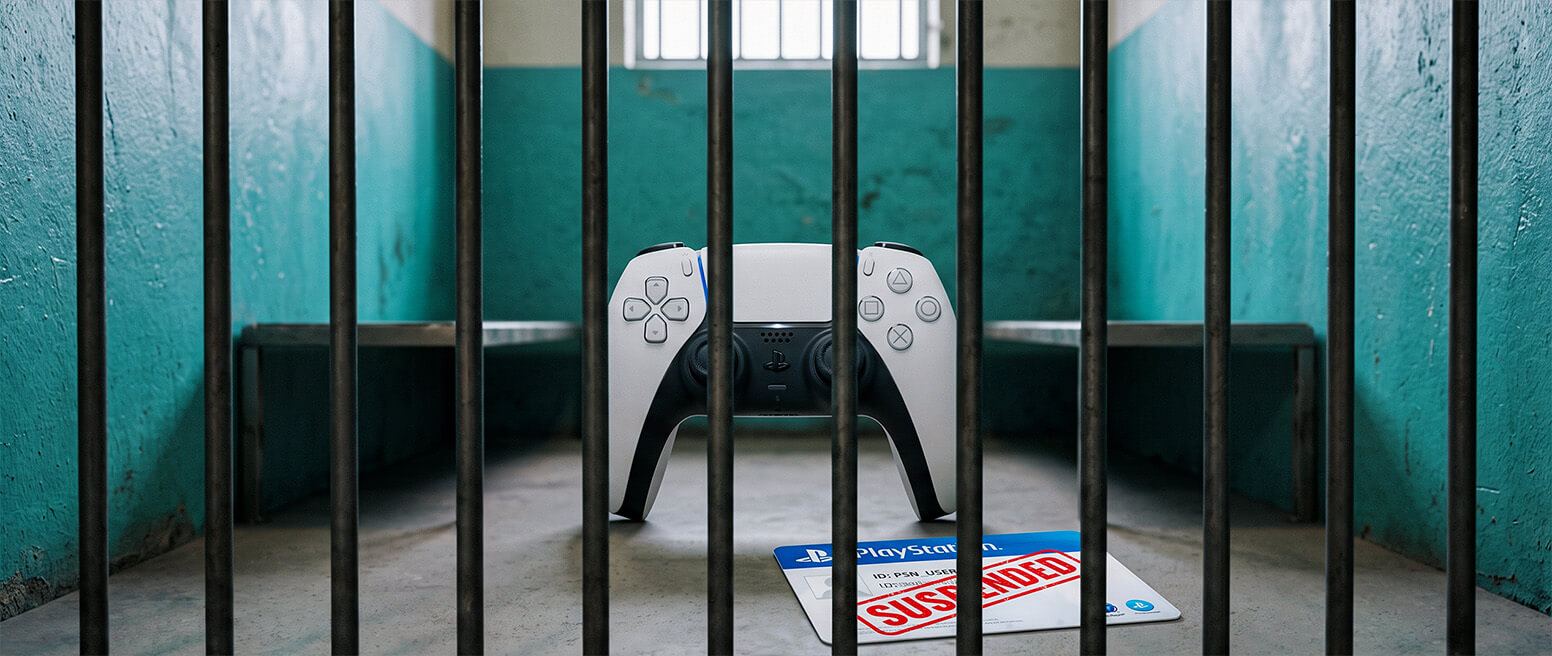
A PlayStation user switches on his console. He gets an error code instead of a home screen: WS-37368-7. He looks up what this means, and learns that it means his PlayStation Network account has been suspended due to a chargeback.
It’s because a few days earlier, his bank reversed a PlayStation Store charge. Maybe he asked them to, or maybe the bank’s fraud system did it for them. Either way, Sony’s response is the same; his account is suspended, and unless the dispute turns out to be justified, it stays that way until the debt is repaid.
For more than a decade, that policy has had people in the payments space asking the same question: is it possible to take chargeback prevention too far?
In this post, I’ll take you through how PlayStation chargebacks work and how customers have reacted, plus what it means for other merchants that are trying to fight friendly fraud.
Recommended reading
- Dispute Chime Transactions: the “How-to” Guide for Consumers
- Bank of America Disputes: Here's What You Need to Know
- Wells Fargo Disputes: Chargeback Rules & More for 2026
- The Top 20 Merchant Errors That Trigger Chargebacks in 2026
- How to Click “Uninstall” on Google Play Store Chargebacks
- How to Prevent Square Disputes: A Practical Merchant Guide
What Happens When a PlayStation Purchase Gets a Chargeback?
Sony suspends the account while they investigate. If there’s no valid reason for the chargeback, the account stays suspended until the disputed amount is repaid.
Sony suspends the PlayStation account, and sometimes the console, while they investigate. If there’s no lawful reason for the chargeback, the account stays suspended until the disputed amount is repaid. Until then, the player can’t sign in, and some of what they paid for is out of reach.
Here’s how Sony puts it on their support page:
“As a chargeback can indicate you suspect fraud or account take-over, we will suspend your account or console to protect it while we investigate. If there is no lawful reason for the chargeback (e.g. no legal right to a refund), your account will remain suspended until the debt is repaid.”
Notice the framing. Sony doesn’t treat a chargeback as a verdict on the customer; it treats it as a possible hijacking incident first, and then as an outstanding debt if that turns out to be false.
The player then sees error code WS-37368-7 or WS-116367-4 at sign-in, which Sony Support has called a temporary suspension “due to a chargeback or payment reversal.”
The PlayStation Terms of Service back this up:
- Chargeback fees are the customer’s responsibility: Sony holds account holders liable for any fees on chargebacks “initiated by you or your children” (section 8.8).
- Wallet funds don’t come back: Top-ups are non-refundable except where the law requires, including unauthorized ones (section 7.3).
- Termination means no refunds: This applies for subscriptions, virtual items, or wallet balance, except as required by law (section 12.3).
- Compromised accounts get locked down: Sony may reset passwords or suspend an account they believe was compromised (section 3.4).
Can a PlayStation Account be Restored After it’s Suspended for a Chargeback?
Yes, the suspension is typically lifted once the balance is paid.
Yes, in most cases. Sony lists account-debt suspensions under its appeals, but the appeal is simply payment: the suspension is lifted once the balance is paid, through a web form. It doesn’t expire on its own.
According to Sony’s support pages:
- The account holder checks the status in My Support.
- He pays the balance due through the Restore Account Access form.
- If the original purchases weren’t his, Sony sends them to its unauthorized transactions guide instead (more on that below).
- Permanent suspensions, which Sony reserves for serious or repeated violations, can sometimes be appealed through a separate form.
One detail catches people off guard: Sony won’t bill a suspended account. That means a PlayStation Plus renewal that comes due simply lapses (which means the lockout costs Sony subscription revenue, too).
If you sell digital goods, the design is the interesting part. The suspension works less like a ban and more like a pawn ticket. The game library is the collateral, and repaying Sony is how the customer gets it back.
Sony & Customers Clash Over Chargeback Policy
Customers have been expressing frustration about this policy for over a decade.
If we go back to March 2015, several PlayStation Network (PSN) members experienced fraudulent activity on their accounts. Accounts were hacked and passwords were changed. The users’ equipment was deactivated, and hundreds of dollars in unauthorized transactions were made.
One of the victims took their story to Reddit, claiming to have contacted Sony to report $600 in fraudulent charges. “I then asked about what would happen if I got my bank to reverse the charges, and he informed me that it would result in a banned account,” the user said.
My PSN account got hacked this morning. Sony support has given me only two options: eat $450 in fraudulent charges and be unable to use my account for 6 months, or dispute the charges with my bank and have my account banned forever.
by u/kadjar in gaming
This became a big enough story at the time that major national news outlets picked up on it. It wasn’t an isolated case, though.
In August 2024, PlayStation LifeStyle reported dozens of new Reddit threads in a single week from players suspended after a chargeback, including one who disputed a purchase, and one whose parent reversed a charge on their own card. In “a vast majority of the cases,” the outlet wrote, “the problem lies on the customer’s end.”
Nexon The First Descendant and PSN Ban bc of a justified chargeback
by u/SensitiveExchange823 in TheFirstDescendant
Although separated by almost a decade, the two cases I highlighted have one thing in common: the terms of service.
Before securing a PlayStation Network account, users have to agree to the terms of service. If those terms say an account may be banned in the event of a chargeback — even a legitimate one — then that leaves the user with two options: absorb the fraudulent charges, or dispute them and lose the account (along with any purchases tied to the account).
Account takeover: two people, one customer.
What Sony Tells Customers to Do About Unauthorized Charges
Sony instructs users to contact PlayStation Support in the event of a genuine fraud attack.
Sony does have a process for when an account takeover attack happens. Most customers just never find it. In their guidelines on compromised accounts and unauthorized charges, Sony says to:
- Check the transaction history and any recurring subscriptions.
- Check whether a child family member spent from the family manager’s wallet. (A child account’s spending limit starts at zero.)
- Check for the same content bought twice, including on other accounts that share the card.
- If an unfamiliar email says the account changed, secure the email account, then recover the PlayStation account.
- If none of that explains it, contact PlayStation Support.
The catch is that this is not where all customers look first. A lot of users will check their bank app, see unfamiliar charges, and reflexively hit dispute charge.
Why Does Sony Ban Users for Filing Chargebacks?
Allowing invalid chargebacks means losing revenue, and potentially driving up costs for shoppers. Preserving customer loyalty while taking a strong stance against chargebacks is a difficult balancing act.
I touched on this a little in the What Happens When a PlayStation Purchase Gets a Chargeback? section, but let’s go into more detail on the topic.
Sony takes such a firm stance against chargebacks because, like all other card-not-present merchants, Sony has been targeted by friendly fraudsters. This practice is very damaging for merchants, often resulting in severe fines and penalties. So, you can understand why Sony would take action to try and tamp down on disputes.
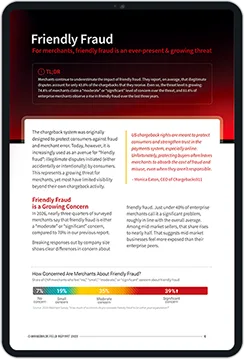
As we saw in our 2026 Chargeback Field Report, this is part of a broader trend. A lot of merchants are passing the costs of chargebacks down to consumers to compensate for inevitable chargeback fraud losses. In fact, 38% of merchants said chargeback costs have influenced their prices; up from 32.5% in the previous report.
But, there are some understandable reasons why a PlayStation customer would call the bank instead of Sony. Three justifications come up again and again:
- The bank is closer: Call it the path of least resistance: the dispute button sits in an app the customer already has open. “I’ll just dispute it. The bank will sort it out.”
- The merchant’s solution was not what was expected: Maybe Sony offers $150 in wallet credit against roughly $600 in fraudulent purchases. Meanwhile, the bank offers it all back.
- The cardholder doesn’t know what happens next: Few customers have read the part of the terms that turns a chargeback into a debt.
It’s a hard balancing act. Consumers need protection against criminals, and some of the people impacted by Sony’s policy are exactly those victims. But, chargebacks lose their efficacy as a consumer protection mechanism when cardholders abuse the system.
The Hard Choice Behind a Chargeback Lockout
Should a chargeback cost a customer their games? There’s no clean answer that’s going to make everyone happy.
A common question I hear from digital goods merchants is whether they should copy Sony. The honest answer is that a lockout is an option, but there are important tradeoffs to consider before taking that step:
| What it Offers | What it Costs |
| A customer can’t reverse the payment and keep using the content. | Fraud victims get locked out of their account, after they’ve already been victims of fraud. |
| A potentially hijacked account is frozen, preventing any further damage. | Every viral case can invite backlash. |
| Repayment becomes the fastest way back into one’s account. | A stolen card, a hijacked account, and buyer’s remorse all look the same, offering limited data insight. |
Also, remember that a lockout does nothing about the chargeback itself. The bank has already pulled the money back, and the lockout only changes what the customer stands to lose. Winning the dispute — i.e. representment — is a separate job. So is preventing the next chargeback before it happens.
Maybe before you copy Sony, try looking at your policy through the eyes of three different customers: the one who disputed a purchase they made, the one whose account was hijacked, and the one whose bank flagged a legitimate order. If your policy treats all three the same way, fix that first.
Friendly fraud shouldn’t force a choice between lost revenue and angry customers. Chargebacks911® helps digital goods merchants fight invalid chargebacks and stop preventable ones before they’re filed, backed by a performance-based ROI guarantee. Contact us for a no-obligation analysis today.
FAQs
Does PlayStation ban you for chargebacks?
Sony will usually suspends the account, and sometimes the console, until the disputed amount is repaid. Sony reserves permanent suspensions for serious or repeated violations; they don’t publish an official number of chargebacks that would triggers a permanent ban, though.
What is a chargeback on PlayStation?
Sony defines a chargeback as a payment reversal that “occurs when a financial institution cancels an existing payment at your request.” A PSN chargeback on a PlayStation Store purchase creates a debt on the account and triggers a suspension.
How long is a PlayStation account suspended for a chargeback?
Until the debt is repaid, through the web form on Sony’s account-debt support page.
What does error code WS-37368-7 mean?
It means the account was suspended because a bank or card issuer reversed a charge on one or more PlayStation purchases. Sony lists WS-116367-4 for the same situation.