



Travel industry chargebacks present unique challenges.
Travel companies can face sudden financial difficulties, and may even abruptly cease operations. When that happens, cardholders who’ve paid for future services often find themselves without recourse through traditional channels.
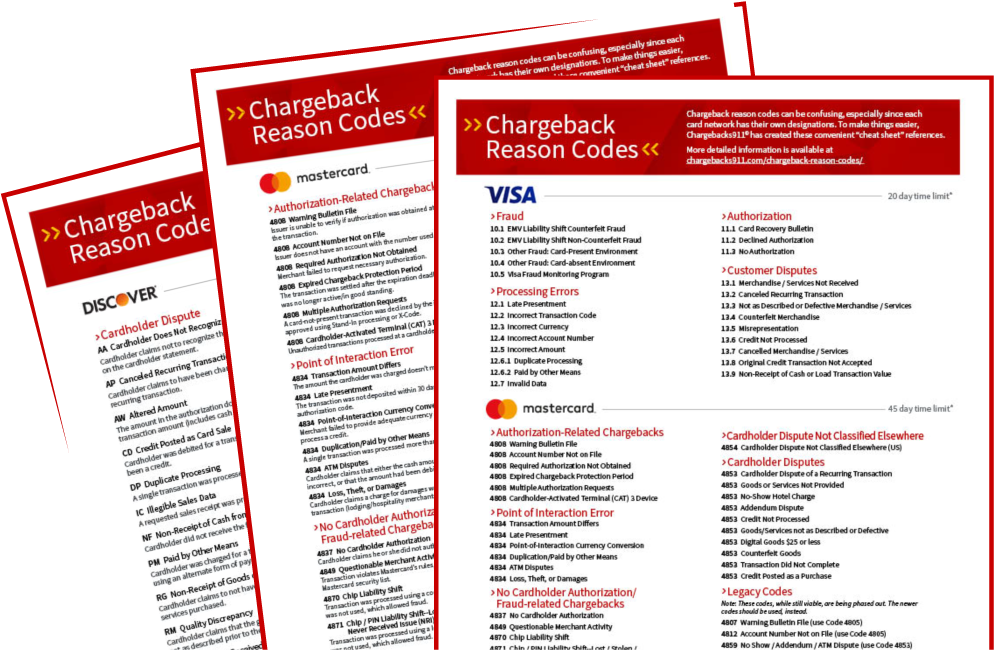
Mastercard chargeback reason code 4853 addresses these specific situations for transactions within the European Economic Area (EEA) and domestic European markets. This protects consumers when travel merchants become insolvent, enter bankruptcy, or seek creditor protection.
In this piece, we dive into the essentials of Mastercard chargeback reason code 4834 — Failed Travel Merchant-Intra-EEA and Domestic European Transactions Only. Hopefully, I can shed some light on what this code signifies, and offer practical guidance on identifying the root causes.
Recommended reading
- Chargeback Legal Process: Is There a Step After Arbitration?
- How to Identify & Prevent Shipping Scams in 2026
- Chargeback Stats: All the Key Dispute Data Points for 2026
- PlayStation Chargebacks: Why Sony Suspends PSN Accounts
- Web Authentication API: WebAuthn, Passkeys & Merchant Login
- NEW DATA | FI Risk Resulting From Visa VAMP Requirements
What is Reason Code 4853 — Failed Travel Merchant-Intra-EEA and Domestic European Transactions Only?
The travel industry's business model creates inherent risks. Customers typically pay well in advance for services they'll receive months later. Airlines sell tickets for flights scheduled far into the future. Hotels accept bookings and prepayments for stays planned next season. Tour operators collect full payment for packages that won’t happen for weeks or months.
The interconnected nature of travel services compounds these problems. A tour operator's failure might stem from an airline partner's bankruptcy. Hotel chains struggle when key airline routes to their properties cease operation. This domino effect can rapidly cascade through the industry.
So, let’s say a cardholder paid for travel services. But, those services won't be provided due to a merchant’s financial failure. This reason code specifically covers situations where the travel merchant is insolvent, bankrupt, in liquidation, or seeking protection from creditors.
This chargeback reason code has strict geographical limitations, and only applies to transactions within the EEA and domestic European transactions. Before filing this chargeback, issuers must verify that specific conditions are met regarding bonding authorities or similar consumer protection schemes that exist under local law.
What Caused This Dispute?
This chargeback reason code applies when a travel merchant in a valid region cannot get services they paid for due to financial failure. Here are a few scenarios where this can apply:
Swedish domestic transactions receive special treatment under this code. Swedish cardholders aren't required to seek reimbursement from bonding authorities before their issuers can process chargebacks.
Need help fighting reason code 4853 chargebacks?
We can help turn disputes into recovered revenue.
Request a Demo
How to Respond to Mastercard Reason Code 4853 — Failed Travel Merchant-Intra-EEA and Domestic European Transactions Only
The representment process lets you contest disputes and recover funds from invalid claims. While Mastercard allows 45 days for representment, the actual timeframe is often much shorter because your acquiring bank requires time to review and forward your docuemntation. Many processors impose their own internal deadlines. This can compress your response window to just a few business days in practice.
Success depends on the quality of the evidence you provide. The issuing bank needs documentation that both validates the original transaction and specifically counters the reason for the dispute. So, evidence must directly address the merchant's financial status or the availability of bonding authority coverage.
Acquirers and merchants (if still operational) need to evaluate some key factors before responding.
First, verify current financial status. If the merchant is still solvent and operational, this chargeback reason code doesn't apply. Next, examine the bonding authority; if they cover the disputed service, the acquirer should provide specific evidence of this coverage in the second presentment.
This chargeback reason code has a dispute filing time limit of 150 days in most EEA countries. But, alternate time limits apply in specific countries:
- Germany: 240 days from latest expected service date
- Poland: 540 days from Central Site Business Date
- Sweden: 120 days
Certain merchant category codes (MCCs) like airlines, hotels, and travel agencies receive extended timeframes up to 365 calendar days.
Once submitted, the issuing bank evaluates your evidence against the cardholder's original dispute. They'll either reverse the chargeback and return the funds or maintain their position and uphold the cardholder's claim. The strength of your documentation typically determines which way the decision falls.
Acceptable Evidence for Mastercard Reason Code 4853 — Failed Travel Merchant-Intra-EEA and Domestic European Transactions Only
Building a compelling response requires specific documentation that directly addresses the core claim being made. The evidence needs to demonstrate either your continued viability, or the availability of alternative reimbursement channels.
#1 | Financial Stability Documentation
- Current business registration certificates showing active status
- Recent bank statements demonstrating positive cash flow and ongoing operations
- Audited financial statements dated after the chargeback transaction
- Letters from financial institutions confirming active credit lines or funding
- Court documents proving the merchant is not in bankruptcy proceedings
- Tax filings showing continued business activity
#2 | Bonding Authority Evidence
- Valid bond policy documentation with coverage details and claim procedures
- Official correspondence from bonding authorities confirming active coverage
- Proof of successful bond claims processed for other affected customers
- Government registry entries showing required bond compliance
- Insurance certificates specifically covering customer prepayments
#3 | Operational Continuity Proof
- Screenshots of active websites accepting new bookings with timestamps
- Recent customer reviews posted after the alleged insolvency date
- Social media posts showing ongoing business activities and customer engagement
- New booking confirmations issued after the dispute date
- Staff payroll records demonstrating continued employment
- Supplier invoices showing ongoing procurement of travel services
#4 | Service Fulfillment Documentation
- Revised itineraries or alternative arrangements offered to the cardholder
- Email correspondence showing attempts to accommodate affected customers
- Confirmation of partial services already delivered (boarding passes, hotel receipts)
- Rescheduling confirmations accepted by other customers in similar situations
- Vouchers or credits issued for future travel
#5 | Communication Records
- Email threads with the cardholder showing resolution attempts
- Call logs documenting customer service interactions
- Written offers for refunds, rescheduling, or alternative services
- Delivery confirmations for revised travel documents
- Customer acknowledgments of proposed solutions
#6 | Industry-Specific Evidence
- IATA or ATOL certificates showing current bonding compliance
- Property management agreements proving continued hotel operations
- Fleet documentation showing active vehicle inventory (for car rental agencies)
- Current licenses from relevant tourism authorities
- Partnership agreements with other travel providers showing ongoing relationships

How to Prevent Reason Code 4853 — Failed Travel Merchant-Intra-EEA and Domestic European Transactions Only Chargebacks
Prevention strategies for failed travel merchant chargebacks focus on financial stability, transparent communication, and proper risk management. While you can’t always prevent external economic pressures, you can implement practices that reduce your exposure.

Maintain adequate bonding or insurance coverage as required by local regulations. Ensure these protections remain current and properly funded. Regularly review coverage levels to match business growth and seasonal fluctuations in advance bookings. Communicate bond information clearly to customers at booking and in confirmation documents.
Implement robust financial monitoring systems. Track key metrics like cash flow, advance booking liabilities, and operational expenses. Set triggers for early warning signs of financial stress. Establish clear escalation procedures when metrics approach dangerous thresholds.
Diversify revenue streams and supplier relationships to reduce single points of failure. Avoid overreliance on specific routes, destinations, or partners. Build contingency plans for service delivery through alternative providers if primary suppliers fail.
Double-down on communication best practices during challenging periods. If financial difficulties arise, proactive customer communication often prevents chargebacks. Offer flexible rebooking options, extended vouchers, or partial refunds before customers resort to dispute processes. Transparency about challenges and recovery plans builds trust.
Review terms and conditions regularly with legal counsel familiar with European travel regulations. Ensure cancellation policies, force majeure clauses, and refund procedures comply with local requirements while providing reasonable merchant protections.
The travel industry's unique challenges require specialized approaches to chargeback prevention. By understanding Mastercard reason code 4853's specific requirements and implementing comprehensive risk management strategies, merchants can better navigate financial turbulence while maintaining customer trust. Success requires balancing financial prudence with customer service excellence, especially when external pressures threaten business stability.
Have Additional Questions?
Handling chargebacks is a daunting task.
Esoteric reason codes, tight response timelines, and a convoluted chargeback process can lead to headaches, frustration, and wasted time. So… why fight chargebacks alone?
Chargebacks911®’s all-in-one prevention, management, and representment solution helps merchants fight first-party fraud, battle chargebacks, and recover revenue. Get in touch with us today for a complimentary ROI analysis.