


As merchants, you’re always looking for a way to protect and retain revenue. One great way to accomplish this is to improve your dispute responses and avoid chargebacks.
Learning that a customer was unsatisfied with a recent purchase is never ideal. But, what if you had a way to learn about that buyer’s dissatisfaction before the situation gets elevated to a chargeback?
What happens when a dispute gets processed as a retrieval request? How does this simple message help you protect your bottom line?
Recommended reading
- Can You Dispute Apple Cash Transactions?
- 3 Types of Payment Reversals: What’s the Difference?
- The Bank Dispute Process: A Step-by-Step Guide
- Chargeback Disputes: The Basics of How Chargebacks Work
- Key Tips for Better Credit Card Dispute Resolution in 2024
- Customer Complaints: Why They Happen & How to Prevent Them
What is a Retrieval Request?
- Retrieval Request
A retrieval request—sometimes called a “soft chargeback”—is a method of obtaining a copy of the paperwork to validate a transaction. The request comes from the credit card issuer or cardholder and goes to the acquirer or merchant. Most such requests are made to support a fraud investigation, validate a chargeback, or in response to a customer’s request (such as needing it for their records).
[noun]/* rə • trē • vəl • rə • kwest/
While retrieval requests are not chargebacks, they traditionally precede a chargeback. These rules are changing over time, though.
Visa no longer allows the use of retrieval requests, announcing they would be phased out effective October 2020. The card network cited the fact that signatures are now optional for all transactions as a main reason for this. Also, their Order Insight platform now provides the same functionality, making Visa retrieval requests obsolete.
Mastercard also does not use retrieval requests, except for transactions involving Maestro-branded cards, which usually occur in the European market. Like Visa, Mastercard has their own proprietary platform that offers functionality similar to that once provided by retrieval requests. Other card networks, like Discover and American Express, still require retrieval requests at the time of this writing, though this may change at a later date.

Reasons You Might Get a Retrieval Request
For the networks that still mandate retrieval requests, the process usually starts with either the cardholder acting through the issuer or via the issuing bank itself.
Cardholders rarely ask for a retrieval request per se. Usually, the cardholder simply calls the bank about a charge on their statement. These requests are often based on misunderstandings or perceived errors. For example, here are four common reasons why customers make transaction inquiries:
- The customer doesn’t recognize or remember making a purchase. In this scenario, cardholders may feel the merchant or an identity thief is trying to push through unauthorized charges. So, it makes sense that the customer would contact the bank first.
- The amount on the statement doesn’t match the agreed-upon transaction amount. This could reflect an innocent move, such as trying to add a tip to a restaurant bill after the transaction was approved. Then again, the cardholder may suspect it’s an illegitimate act on the merchant's part and call the bank.
- The customer doesn’t recognize transaction details appearing on the statement. This is most often caused by merchants having vague billing descriptors. For example, a descriptor refers to a holding company instead of the merchant's name.
- The customer is engaged in friendly fraud. Sometimes, cardholders themselves are the party who engage in fraud. Buyers may file chargebacks out of confusion, or as an attempt to “get something for free” by falsely complaining to the bank that an order was wrong or not received.
What is the Retrieval Request Process?
When an issuer makes a retrieval request, it means the bank is looking for a transaction information document (TID). This term encompasses sales receipts, invoices, tracking numbers, shipment records, and/or other records of transactions. The standard process goes something like this:
Confused? You’re not alone. The good news is that help is just a click away.

Sometimes, the bank may require more information due to a suspected processing error, and if the physical receipt is unavailable or illegible in some way. For example:
- The ink on the original receipt was too light to read.
- The color of the receipt originally submitted made the information unclear.
- The print on any copies made of the original sales slip was too small to read.
The acquiring bank may have all the requested information on hand. As a merchant, you may not be involved in—or even aware—that a retrieval request was issued if that’s the case. Theoretically, the entire process could be handled by the banks. However, this is not how the process often works.
What is a Retrieval Request Fee?
Unfortunately, there are often retrieval fees associated with a retrieval request.
Typically, your payment processor will tack on a small fee to process the request. Depending on whether or not you use a payment processor that differs from your merchant bank, though, the bank may charge you for the request.
The retrieval request fee is meant to cover the bank’s costs associated with the retrieval process. While these fees are usually only a few dollars per retrieval, they can add up quickly.
When it comes to fees, remember that all inquiries incur fees of some kind. Retrieval requests (“soft” disputes) mean retrieval fees, while chargebacks (“hard” disputes) incur chargeback fees. For this reason alone, you should be highly discerning about which payment processor you use and what fees they assess for disputes and chargebacks.
What Should I Do if I Get a Retrieval Request?
Remember: a retrieval request isn’t a chargeback (at least not yet, anyway). They don’t bear the same response requirements, meaning they don’t require the chunk of evidence you would need when responding to a chargeback.
That said, if the documents you provide fail to satisfy the consumer’s questions—or if they’re not submitted in a timely manner—then the dispute will move on to the chargeback phase. That’s all there is to it.
You can’t win or lose a request for more information, but the information you provide will determine whether the inquirer progresses to a chargeback. So, you need to be prompt and responsive, with well-organized transaction records that you can recall as needed.
You may be asked to provide documentation such as:
- A transaction receipt with an Acquirer Reference Number (ARN)
- Company credentials
- Product details (listing, photos, and usage information)
- Delivery information or service date
- Customer credentials (authentication, fraud screens, and other verifying details)
- Any refund details, if a refund has already been issued or a refund is in process
You don’t have to wait for retrieval requests to happen, though. If your customer has an issue with a purchase, a swift and straightforward refund will solve the problem before it even progresses to the retrieval request stage in most cases.
Rather than rely on any post-purchase dispute process, your “rule of thumb” should be to reach out to customers immediately after product delivery to see if they’re satisfied. Odds are, the customer will respond with any concerns they have, and you can handle the matter before a dispute is filed.
Time Restrictions for Retrieval Requests
Retrieval requests are time-sensitive. After you receive a retrieval request from the bank, you have between 10 and 20 days to resolve the issue. The bank sets the exact timeframe.
There are other considerations here as well, though. For instance, the cardholder’s bank typically has up to 18 months from the date of sale to file a retrieval request. That means you and/or your acquirer must maintain detailed records of merchant account activity for an extended period, depending on the card scheme regulations.

Mastercard, for example, mandates that an acquirer retain a record of each transaction it receives or sends for a minimum of 13 months. During that time, you must provide a copy of the receipt to the issuer whenever asked. By contrast, Visa tells merchants they must retain transaction receipts for a minimum of 120 calendar days after the processing date (this requirement applies to transactions that require a cardholder signature). In both cases, applicable law or regulation may require a more extended period of recordkeeping.
There are similar time constraints for images deemed incorrect or illegible and for fulfilling the retrieval request. Again, while the card networks have set time limitations, the banks may have the final say. They can mandate stricter timeframes in many cases. Failing to respond within the timeframe will result in a chargeback.
Are Retrieval Requests On Their Way Out?
Like we mentioned before, Visa retired retrieval requests in 2020, and Mastercard did something similar in 2021. So, it could be safe to say that retrieval requests are on their way out.
It seems likely that more and more card networks will follow Visa and Mastercard’s lead. Card networks may eliminate their requirements and, at some point, even the option of using retrieval requests. New automated systems promise to be much faster, safer, and more accurate.
For now, though, many issuers still rely on retrieval requests to get more information about a transaction.
There is bound to be confusion without consistent rules and processes across brands. To help combat these issues, you should shift focus to policing your practices and limiting merchant error whenever—and wherever—possible.
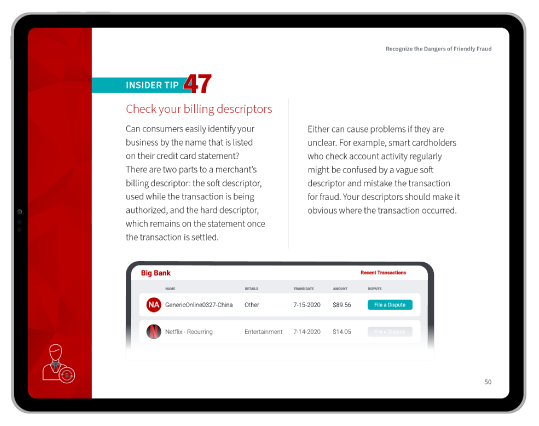
Aside from this, you should check how your billing descriptors appear on customers’ credit card statements. Be sure the descriptors point out the name of the store or service as clearly as possible. In addition, you need to work with your acquirers to ensure essential details are captured accurately and consistently for each transaction.
You Can’t See the Future…But We Can.
A retrieval request is much better than a chargeback…but both demand a swift and thorough response.
You should consider a retrieval request an opportunity to stop a chargeback before it’s filed. You can do this by issuing a refund or providing enough information to resolve the problem. At the same time, you can’t depend on retrieval requests as a warning system for chargebacks. That’s especially true now, as the card networks are slowly phasing out their usage.
Looking for advanced warning about incoming disputes? Chargebacks911® has your back.
The Enriched Chargeback Alerts model from Chargebacks911 combines our proprietary, exclusive chargeback detection network with those of other third-party providers. This lets us offer the most comprehensive chargeback alert coverage available on the market, all accessible from the same easy-to-use client dashboard.
- Learn about pending chargebacks before they happen
- Stop chargebacks with immediate response
- Seamless, fast-track integration; alerts within 24 hours
- Guaranteed results
No other vendor can offer that level of protection against chargebacks.
Ready to discover the Chargebacks911 difference? Click below and learn more today.