


Reshipping Scams Hurt Everyone… Except the Scammer, That is
Imagine you’re perusing job opportunities on Indeed or Craigslist, and you see this title: “WORK FROM HOME! MAKE $$$ WITH YOUR OWN BUSINESS!”
Sounds tempting, doesn’t it?
Being a business owner, working in your pajamas, simply watching the money roll in. It sounds great, but unfortunately, it’s a reshipping scam. Like most good tricks, however, there is just enough truth mixed in to make it sound legit.
So what is “reshipping,” really? How has it led honest job seekers to prison sentences? And, how can people tell a scam from a real opportunity?
Recommended reading
- Address Fraud: How Criminals Swap Addresses to Abuse Victims
- How do Banks Conduct Credit Card Fraud Investigations?
- What is Wardrobing? How Can Retailers Stop Refund Abuse?
- Key Credit Card Fraud Statistics to Know for 2024
- Scammers See Opportunity as March Madness Begins
- Man-in-the-Middle Attacks: 10 Tips to Prevent These Scams
What is Reshipping?
- Reshipping
A reshipping scam is a bogus job for which a third-party victim is “hired” by a fraudster. The unsuspecting victim is promised payment for receiving illegally obtained packages at one address, then shipping them to a different address.
[noun]/ree • shi • puhng/A reshipment scam is a fraudulent “business.” A criminal uses stolen credentials to make a purchase, but has the goods shipped to their reshipper’s address. The reshipper receives packages at home, then gets paid to forward them to another address.
What’s the point of doing that? For the victim, it appears to be an innocent way to make money. For the fraudster, it’s a triangulation; a way of insulating themselves from liability for their criminal activity.
This type of scam is very common. According to the Better Business Bureau, roughly 65% of fake online job postings involve becoming a “warehouse distribution coordinator” or a similarly-titled package reshipment position.
How Do Reshipping Scams Work?
The scheme starts when a victim either answers an online ad or receives an email offering a job with an alleged shipping service. The service claims to be hiring brokers to repackage customer orders and mail them, usually to overseas locations. The company will of course reimburse all shipping costs, plus pay the employee a fee for their effort.
The job is presented as being reasonable and practical. The alleged shipping service may claim they work with merchants who want to avoid hiring full-time employees. Using brokers enables retailers to only pay for actual orders received.
SEASONAL VARIANT
During the holiday season, the fraudster may also cite the need for gift-wrappers. The victim receives orders to gift wrap, then forwards them to the new address. It’s a slightly different hook, but the scam is the same.
When the victim takes the bait, the phony employer will ask for personal data, just like you’d expect a legitimate company to do. This may include a copy of a driver's license, which right away gives the fraudster a name, address, social security number, and photo.
The reshipper, sometimes referred to as a “money mule,” is instructed to repackage the merchandise (as generically as possible) and address it to another location. To avoid the complications of high-volume shipping, the order will usually consist of one or two high-priced items, such as laptops, phones, televisions, or other electronics. The “ship-to” location can be a logistics depot, warehouse, or legitimate freight forwarder.
Eventually, of course, the scam will be detected. By that point, though, the mule will have already shipped several orders before discovering their work from home gig has been helping crooks commit fraud and theft. Authorities will trace the crime, but that trail will lead directly to the mule – not the real criminal.

Is Reshipping Ever Legitimate?
Yes and no.
We should clarify here that there are actual, legitimate companies that do what a bogus reshipping provider claims to do. Delivery services called freight forwarders, for instance, receive and reship orders to buyers located outside the US. This means the seller doesn’t have to deal with the hassles of overseas shipping.
There are also third-party services that handle returns on behalf of merchants. Happy Returns, for example, lets customers drop off online returns, then handles the logistics of the return process.
The ambiguity can cause confusion for someone trying to research a potential reshipping job. Finding legitimate providers makes it easy to conclude advertised positions are equally real. Fraudsters know this, and leverage that knowledge to their advantage.
Is Reshipping a Serious Crime?
Short answer: Yes.
When confronted, reshippers will naturally protest their innocence. It’s not that simple, though. The victim may not have made any actual purchases made with stolen credentials, but they’re still aiding and abetting. And whether it’s done knowingly or not, involvement with a reshipping scam can bring serious consequences.
The mule will be liable for any wrongful acts they commit plus any crimes committed by co-conspirators. Reshippers may be victims, but that won’t keep them from being charged with crimes concerning the use of a stolen card, wire fraud, bank fraud, or even identity theft.
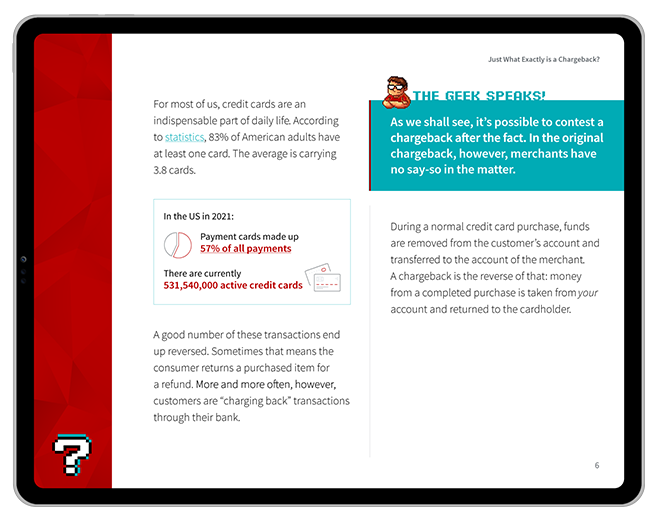

The situation could be made even worse. Instead of disappearing without any payment, fraudsters may make a few reimbursements to keep the mule participating as long as possible. If the victim accepts money from the crook, however, any criminal charges can be compounded, as accepting money makes the victim an accessory to the fraudster’s crime.
Participating in a single reshipping scam could mean indictment on multiple federal charges. Some of these charges carry a maximum prison sentence of 30 years. That doesn’t even include additional charges that may be filed at the state level.
Are Merchants Affected by Reshipping Fraud?
While the mules are the most obvious victims in reshipping fraud schemes, the fallout can also cause trouble for sellers.
Online merchants must process each purchase. They’re the ones actually sending goods to the mule for reshipment. And, once the fraud is detected, the business will not only lose merchandise and the revenue from the sale, they’re also typically hit with a chargeback fee.
Since the item was paid for with a stolen card or account, the real cardholder will eventually spot the bogus charges and call the bank. The bank will have to refund the buyer, then recoup that cost from the seller. The merchant may’ve been totally unaware of what went on, but that doesn’t relieve them of liability.
This is what will lead to a chargeback. And even if the seller can somehow demonstrate that they are not actually responsible, they will still have to pay a chargeback fee on top of their other losses.
Some types of online businesses are more susceptible to reshipping fraud. As we mentioned earlier, electronics are a popular item for these scams, so those vendors are prime targets.
And, it’s not just retailers that may suffer from reshipment operations. Financial institutions, gateway services, and other vendors that provide digital payment services can also face negative impacts as the financial consequences ripple outward.
WHEN THE FALL GUY IS ALSO DEFRAUDED
We mentioned earlier that the phony “employer” will ask for personal data, just like you’d expect a legitimate company to do. For instance, the reshipper’s name, address, social security number, etc. This can be a bonus for the criminals. They can then use the information given to them by the reshipper to engage in identity theft.
How To Protect Against Reshipping Scams
Both classes of victims — the merchants being defrauded and the reshippers who’ve gotten wrapped up in the scheme — can take steps to combat reshipping fraud.
In the case of consumers, our advice is pretty straight-forward: don’t respond to these ads. No respectable business would ever turn their shipping over to random individuals to process from their homes.
Even knowing that, you may find a position that somehow seems legitimate. If so, watch for any of the following red flags before getting involved:
- To get the job, you must provide personal information over the phone.
- The “employer” insists on running a credit check before hiring.
- The job or company doesn’t show up in Google searches.
- A web search immediately returns multiple bad experiences.
- A web search shows the same ad for different companies or cities.
- The company has no website, or the site offers no phone number.
You should already be extremely skeptical going in. Any of the above conditions should merely confirm suspicions.
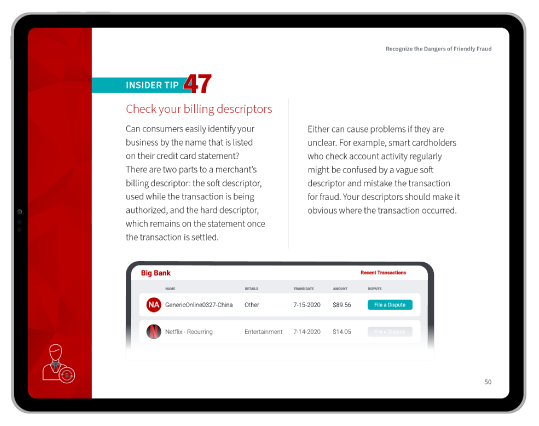

For merchants, directly countering a reshipping scam can be a long shot. The scheme is designed to slip by rules-based detection without triggering any red flags. Ultimately, the best merchant strategy is to optimize overall fraud detection efforts. Some common red flags to watch for include:
Reshipping Fraud Prevention: Ask the Pros
Whether you’re a merchant or a consumer, being involved with reshipping fraud will have financial and reputational repercussions.
Chargebacks911® has a solid history helping merchants prevent all types of payment fraud, using patented techniques and advanced technology. Contact us today to see how much our experienced analysts can save your business.
FAQs
Are reshipping jobs a scam?
The short answer is “yes.” While there are companies that specialize in simplifying return logistics for merchants, no legitimate business will rely on random individuals to handle their shipping.
What is a reshipping scam work from home?
Scammers post jobs promising applicants they can work from home, receiving packages at their address and shipping them to another location. The problem is that these so-called orders contain merchandise bought with stolen payment information.
Is reshipping a crime?
Absolutely. Even if the victim is unaware of any wrongdoing, involvement with a reshipping scam can lead to federal charges which could result in fines or imprisonment.
Can merchants prevent reshipping fraud?
The best way for merchants to keep from being used for a reshipping scam is to have a firm strategy for preventing fraudulent orders of any type. This means deploying fraud detection tools and practices, and surveying orders for fraud red flags.