



When travel plans fall apart, many merchants offer vouchers or credits instead of refunds. It’s a common practice across airlines, hotels, tour operators, and entertainment venues. It seems like a win-win solution; you keep the customer relationship alive, and they get credit for future services.
The problem comes when customers decide they don’t want or can’t use that credit. If that happens… then what looked like a reasonable compromise can become a chargeback nightmare.
In this piece, we dive into the essentials of Mastercard chargeback reason code 4853 — Travel/Entertainment Services Not Provided/Not as Described & Merchant Voucher Issued. Hopefully, I can shed some light on when customers can legitimately file these disputes, and offer practical strategies for both fighting and preventing them.
Recommended reading
- Chargeback Legal Process: Is There a Step After Arbitration?
- How to Identify & Prevent Shipping Scams in 2026
- Chargeback Stats: All the Key Dispute Data Points for 2026
- PlayStation Chargebacks: Why Sony Suspends PSN Accounts
- Web Authentication API: WebAuthn, Passkeys & Merchant Login
- NEW DATA | FI Risk Resulting From Visa VAMP Requirements
What is Reason Code 4853 — Travel/Entertainment Services Not Provided/Not as Described & Merchant Voucher Issued?
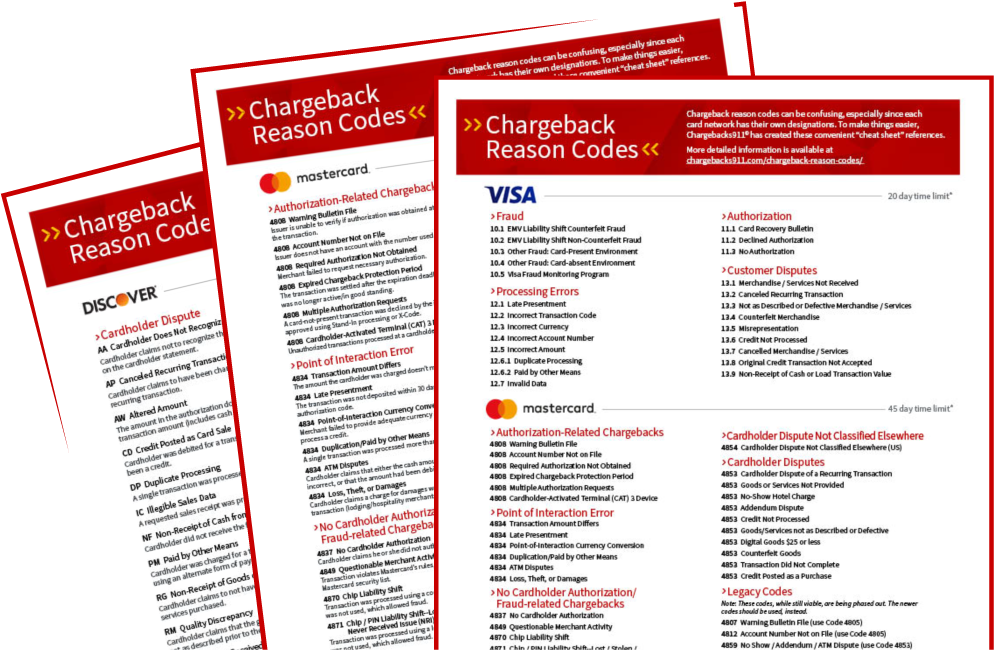
Mastercard reason code 4853 — Travel/Entertainment Services Not Provided/Not as Described and Merchant Voucher Issued is one of the messages that Mastercard might use for a “Cardholder Dispute.” chargeback. It usually applies when you've given a customer a voucher or credit instead of the travel services they paid for.
To illustrate, let’s say you were unable to provide a service that a customer paid for. Maybe you had to cancel their trip, downgrade their hotel, or couldn't deliver what you promised. You offered the buyer a credit for future use, thinking that would solve the problem, but the customer was not satisfied. So, the buyer filed a chargeback in response.
What Caused This Dispute?
Three key elements define this chargeback type message. First, the original travel or entertainment services were either not provided at all or delivered in a manner significantly different from what was described at purchase. Second, you issued a voucher, credit, or similar alternative compensation instead of providing a monetary refund. And third, the cardholder rejects this alternative compensation as insufficient resolution.
Examples include:

How to Respond to Mastercard Reason Code 4853 — Travel/Entertainment Services Not Provided/Not as Described & Merchant Voucher Issued
While Mastercard technically allows 45 days for representment, your actual window is much tighter. Your acquiring bank needs time to review and forward documentation, and many processors set their own internal deadlines, often compressing your response time to just a few business days.
Winning representment comes down to evidence quality. The issuing bank needs documentation that validates the original transaction AND directly counters the specific dispute reason. Your evidence must precisely address the merchant's financial status or bonding authority coverage; generic responses won't cut it.
The key is moving quickly while building a targeted response that addresses the exact reason for dispute.
Learn more about representmentAcceptable Evidence for Mastercard Reason Code 4853 — Travel/Entertainment Services Not Provided/Not as Described & Merchant Voucher Issued
Building a compelling response requires specific documentation that directly addresses the core claim being made. The evidence needs to demonstrate either your continued viability, or the availability of alternative reimbursement channels.
Here's a list of documents that could help you fight this chargeback reason code:
- Written confirmation where the customer agreed to accept the voucher as resolution
- Email or message threads showing the customer initially accepted your credit offer
- Screenshots of the customer using or attempting to use the voucher
- Photos, videos, or documentation proving you delivered services as described
- Check-in records showing the customer received the room they booked
- Flight manifests confirming the customer traveled on the agreed routing
- Time-stamped photos from the actual event or service date
- Third-party reviews from the same time period confirming your service quality
- Proof that voucher policies were visible at time of purchase
- Government mandates or force majeure documentation justifying service changes
- Industry notices showing similar businesses faced the same constraints
- Documentation showing the customer refused reasonable alternatives (different dates, upgraded services, etc.)
This is not an exhaustive list. Remember, though, that you’ll need to adapt your response to the exact claim being made by the cardholder.
How to Prevent Reason Code 4853 — Travel/Entertainment Services Not Provided/Not as Described & Merchant Voucher Issued
Preventing chargebacks before they happen is always the best course of action.
You can’t always prevent the kinds of external pressures that lead to unexpected cancellations. But, you can implement the following practices that will help reduce your exposure:

When you can't deliver services as promised, give customers a clear choice between a monetary refund and enhanced credit. Even if you'd prefer they take the voucher, forcing it on them almost guarantees a chargeback if they’re unable to use it.
Extend validity periods to at least 24 months, remove blackout dates, and make credits transferable to friends or family. The more restrictions you place on vouchers, the less likely customers are to see them as worthwhile.
Get written confirmation via email or your booking system when customers choose credit over refunds. A simple “I accept this travel credit in lieu of a refund” checkbox with timestamp can defeat most chargebacks if the customer later changes their mind.
The moment you know you can't deliver as promised, reach out proactively with solutions. Customers who find out about downgrades or cancellations at check-in are far more likely to get upset, and are less likely to accept a voucher...
Offer 125% to 150% of the original purchase value in credit, or include extras like free upgrades or services. When customers see they're getting more than they paid for, they're not going to feel shortchanged.
Allow customers to convert unused vouchers back to refunds within a reasonable timeframe, perhaps minus a small administrative fee. This “safety valve” prevents desperation chargebacks from customers whose circumstances changed after accepting credit.
Some situations scream “refund needed.” We’re talking medical emergencies, visa denials, or once-in-a-lifetime events. Recognizing when to skip the voucher pitch and go straight to refund options can be helpful here.
Send friendly reminders about soon-to-expire credits with easy rebooking options. Customers who forget about vouchers until after they expire may dispute charges, even though you gave them an opportunity to use the voucher.
Have Additional Questions?
Handling chargebacks is a daunting task.
Esoteric reason codes, tight response timelines, and a convoluted chargeback process can lead to headaches, frustration, and wasted time. So… why fight chargebacks alone?
Chargebacks911®’s all-in-one prevention, management, and representment solution helps merchants fight first-party fraud, battle chargebacks, and recover revenue. Get in touch with us today for a complimentary ROI analysis.