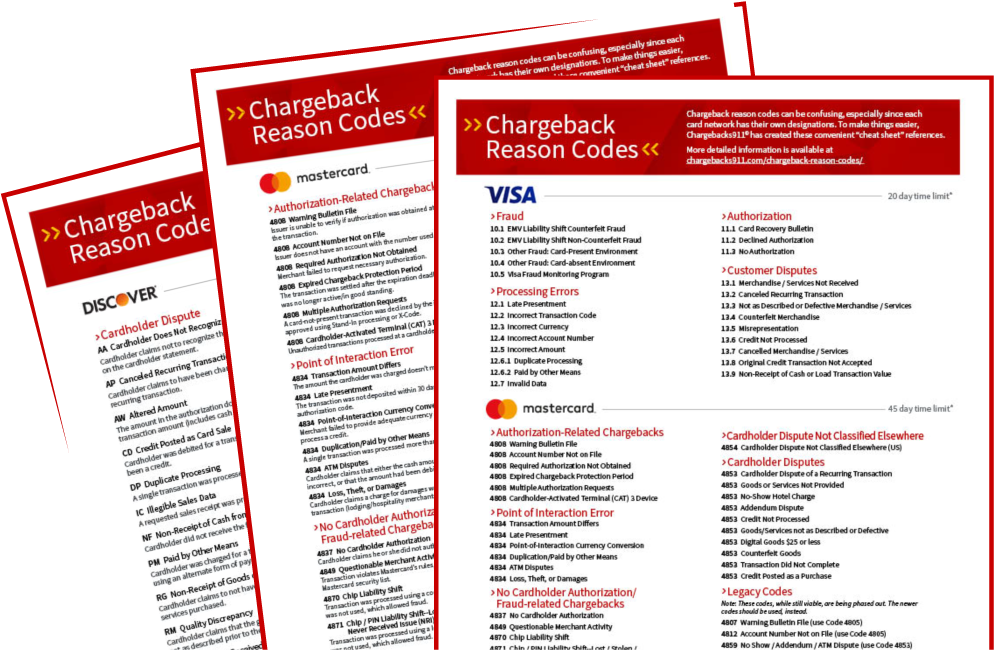




Navigating chargebacks issued using Mastercard reason code 4834 presents some obvious challenges for merchants.
First, the code falls under the broader category of point-of-interaction errors. But, the multiple different descriptors that could be attached to the message often leave businesses uncertain about what actually triggered the dispute and how to respond.
This guide focuses specifically on reason code 4834 chargeback resulting from Unreasonable Amount disputes. We'll break down what triggers these chargebacks, help you identify common causes within your payment processes, and outline practical steps to reduce their occurrence.
By understanding the mechanics behind this particular chargeback type, you'll be better positioned to protect your revenue and strengthen your payment operations against similar disputes going forward.
Recommended reading
- Chargeback Legal Process: Is There a Step After Arbitration?
- How to Identify & Prevent Shipping Scams in 2026
- Chargeback Stats: All the Key Dispute Data Points for 2026
- PlayStation Chargebacks: Why Sony Suspends PSN Accounts
- Web Authentication API: WebAuthn, Passkeys & Merchant Login
- NEW DATA | FI Risk Resulting From Visa VAMP Requirements
What is Reason Code 4834 — Unreasonable Amount?
When an issuing bank files a reason code 4834 — Unreasonable Amount chargeback, they're asserting that the transaction amount charged to the cardholder differs from what was authorized or expected.
This typically happens if the final transaction amount exceeds the pre-authorized amount by more than Mastercard's permitted variance (usually 15% for most merchant categories). For example, a hotel that pre-authorizes $200 at check-in but later charges $250 without proper disclosure or authorization would trigger this type of chargeback.
The issuing bank is essentially protecting their cardholder from unexpected charges that weren't properly communicated or authorized at the time of purchase.
Reason Code 4834 — Unreasonable Amount will only apply to the European Economic Area, Gibraltar, and UK. For a bank to use this reason code, the card in question must have been issued in one of these markets, and the merchant in question must be located in one of these markets.
What Caused This Dispute?
This dispute type often surfaces in industries where final amounts can vary from initial estimates. For example, car rentals with added fees, restaurants with tips, or service providers who add surcharges after the fact.
The bank's position is that, while some variance between the estimated price and the final price might be okay, you exceeded reasonable limits without getting proper consent from the cardholder. Examples here may include:

How to Respond to Mastercard Reason Code 4834 — Unreasonable Amount
So, you've verified compliance with all Mastercard regulations… yet you're facing a chargeback you believe was filed incorrectly anyway. In these cases, the representment process allows you to contest the dispute and potentially recover the funds.
While Mastercard allows 45 days for representment, the actual timeframe is often much shorter. Your acquiring bank needs time to review and forward your case, A lot of processors impose their own internal deadlines, too. This can compress your response window to just a few business days in practice.
Success in representment depends on the quality of evidence you provide. The issuing bank needs documentation that both validates the original transaction and specifically counters the reason for dispute. This might include signed receipts, delivery confirmations, authorization records, or correspondence with the cardholder… basically, anything that can help refute the cardholder’s claim.
Once submitted, the issuing bank evaluates your evidence against the cardholder's original dispute. They'll either reverse the chargeback and return the funds to you, or maintain their position and uphold the cardholder's claim. The strength of your documentation typically determines which way the decision falls.
Learn more about representment
Acceptable Evidence for Mastercard Reason Code 4834 — Unreasonable Amount
Mastercard is not just going to take your word for it. If you want to submit a response, you’ll need evidence.
You need documentation proving that the transaction in question was not fraudulent. This may include:
- Initial Authorization Receipt:A receipt showing the original pre-authorized amount, plus any disclosed variance terms or percentage limits.
- Terms and conditions: Terms signed or acknowledged by the cardholder that outline circumstances under which the final amount may exceed the initial authorization.
- Email or SMS Confirmation: Messages sent to the cardholder before finalizing the charge showing the cardholder acknowledged or approved the adjusted amount.
- Photographic Evidence: Pics or screenshots of disclosed surcharge notices, fee schedules, or variance policies displayed at the point of sale or on your website.
- CRM Logs or Transaction Records: A paper trail showing the proper authorization flow and any incremental authorizations obtained for amounts exceeding the original.
- Transcripts: Any cardholder communications including chat transcripts or recorded calls (with proper consent) where additional charges were discussed or approved.
- Industry-Specific Documentation: Signed rental agreements, hotel folios with itemized charges, or service work orders showing customer approval for additional work.
- Proof of Service Delivery: Shipping confirmations, GPS tracking data, or time-stamped photographs showing completed work that justifies the final amount charged.
- Previous Transaction History: Records demonstrating an established pattern where the cardholder has accepted similar charge variances without dispute.
Alternately, if you’ve already processed a refund for the disputed surcharge amount, you can provide documentation like a refund receipt or transaction report to show that the cardholder has been reimbursed.
Remember: precise documentation is crucial when submitting your representment case. So, keep the following guidelines in mind to help you assemble a compelling package:
- Prioritize clarity and brevity in your presentation. You want to make it quick and easy to understand everything.
- Emphasize critical information within your supporting documents to streamline the review process.
- Establish a logical structure and labeling system for each piece of evidence. Don’t make the issuer work to read your response.
- Provide a succinct narrative that connects your documentation to the specific chargeback reason code.
- Exclude any extraneous or duplicate materials that may detract from your core arguments.
By focusing on these key principles, you can create a well-organized and persuasive representment case that maximizes your chances of successfully overturning the chargeback.
How to Prevent Reason Code 4834 — Unreasonable Amount Chargebacks
While representment is vital, it's even more critical to proactively prevent chargebacks. Here are steps to avoid chargebacks due to reason code 4834 — Unreasonable Amount:
Have Additional Questions?
Handling chargebacks is a daunting task.
Esoteric reason codes, tight response timelines, and a convoluted chargeback process can lead to headaches, frustration, and wasted time. So… why fight chargebacks alone?
Chargebacks911®’s all-in-one prevention, management, and representment solution helps merchants fight first-party fraud, battle chargebacks, and recover revenue. Get in touch with us today for a complimentary ROI analysis.