


Mastercard Reason Code 4853 Issuer Dispute of a Recurring Transaction
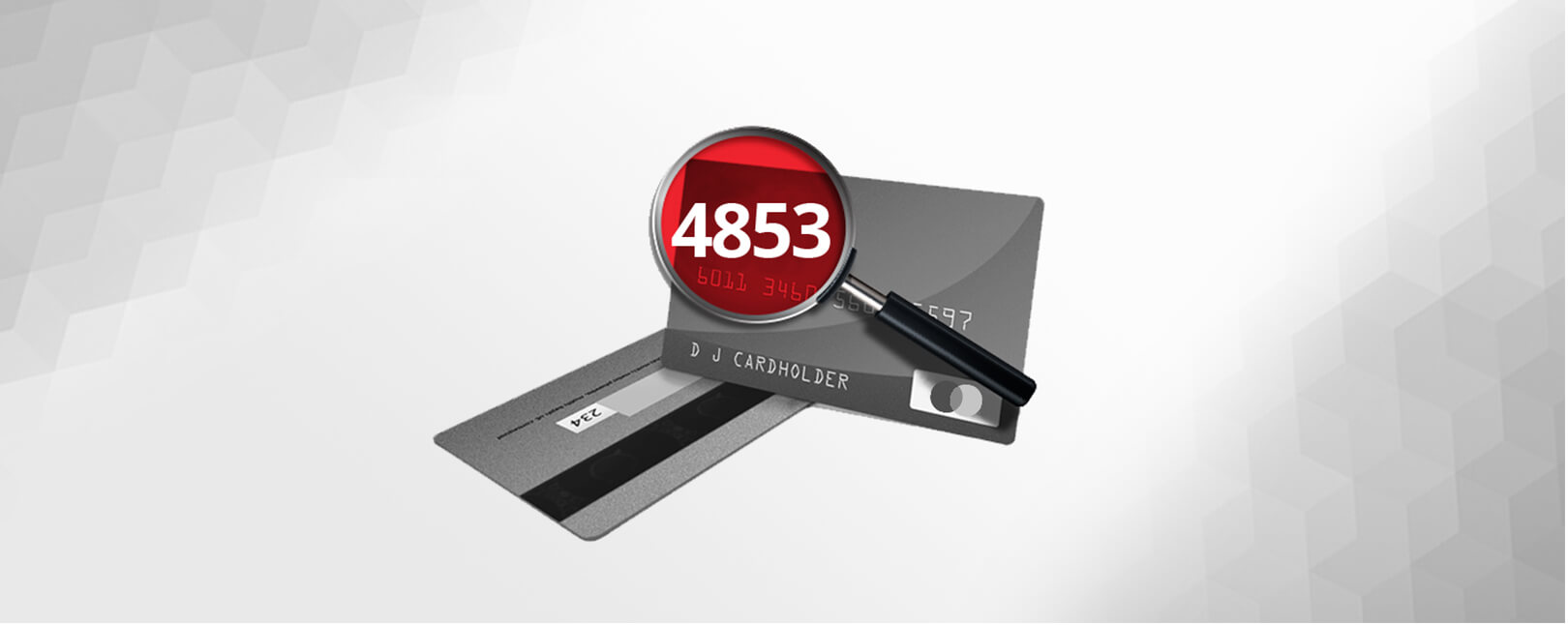
Under certain circumstances, Mastercard may allow consumers to reverse a payment card transaction by filing a chargeback. Chargeback reason code 4853: Issuer Dispute of a Recurring Transaction is one of the numeric labels assigned by banks to each customer dispute, indicating the given reason for the claim.
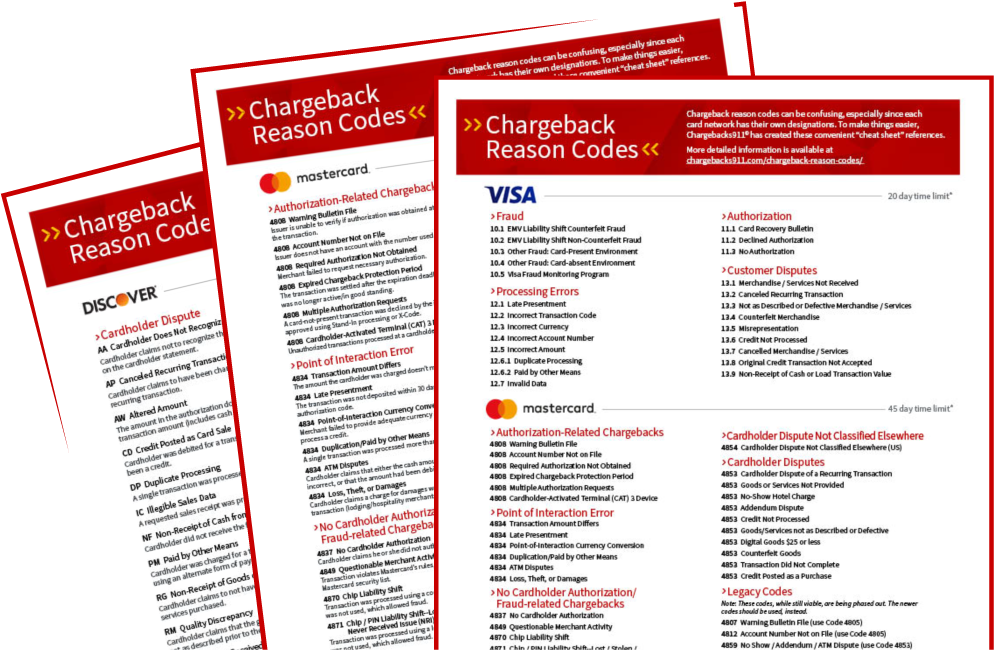
We say the given reason because it may or may not reflect the true reason. Chargebacks were designed to be a “last-resort” for disagreements that cannot be resolved with the merchant, but are more and more often used as a loophole to commit fraud.
Reason code 4853 falls under the broad category “Cardholder Dispute,” meaning the cardholder is saying something about the transaction is wrong. The code can be used in multiple specific situations; when necessary, an additional message will be provided along with the reason code to inform the merchant which particular type of chargeback applies to the claim.
That said, there are actually two different “recurring transaction” situations that fall under this umbrella: one is for cardholder disputes, while the other is for issuer disputes. The differences are minor…but important. Both have to do with chargebacks stemming from a recurring billing (subscription) business model.
We’ll go over cardholder disputes in a separate post. For now, let’s take a look at issuer disputes of recurring transactions.
Should Merchants Worry About Reason Code 4853 Chargebacks?
Chargeback questions? We have answers. Click to learn more.

What Is an Issuer Dispute of a Recurring Charge?
Chargeback reason code 4853 can be used to indicate cases where the issuer has previously filed a chargeback for a disputed recurring transaction. It can also apply when the merchant processed a recurring billing charge after the issuer requested cancelation.
A recurring transaction is a payment card charge that automatically reoccurs on a regular basis. The payment is for an ongoing service, like a subscription or membership fee. It may be collected monthly, quarterly, or annually, or on some other specified schedule.
Customers like the convenience of automatically-recurring payments. Merchants, for their part, benefit from simplified billing and a steady revenue stream. However, it’s easy for merchants to get lax with recurring payments; care must be taken to stop the automatic processing of payments when requested.
Recurring Transaction Disputes: Causes and Conditions
Issuer-instigated chargebacks with “recurring charge” reason codes are the result of avoidable merchant errors, meaning they are 100% preventable. Situations in which these conditions arise include:
- The issuer listed the account in the Payment Cancellation Service (PCS) prior to the disputed transaction, meaning the merchant should have canceled the automated payment.
- A transaction with the same account and merchant was already charged back by the issuer.
- The issuer sent notice to cancel the recurring transaction prior to the disputed transaction.
The conditions that can trigger this chargeback situation can be prevented by care on the merchant’s part. If a chargeback is filed, however, it is under a strict time limit; the maximum amount of time that can pass between the transaction processing date and the chargeback processing date is 120 calendar days.
Recurring Transaction Disputes: Response and Prevention
As we alluded to earlier, cardholders may use a false reason code for a dispute to mask an attempt at fraud. Barring some type of technical error, however, chargebacks that are initiated by the issuer are always going to be legitimate.
Obviously, if a business regularly receives chargebacks from the issuer for recurring transactions, there’s a problem that needs to be addressed by the merchant. Adhering to best practices is the best way to avoid future occurrences of chargebacks with a disputed recurring transaction reason code. These include:
- Stopping the automated billing process immediately if a chargeback is issued for a recurring transaction. Make sure all future transactions are canceled.
- Responding to Payment Cancellation Service notifications in a timely manner.
- Responding to cardholder cancellation or non-renewal requests in a timely manner.
Vigilance and training are the keys to preventing these errors.
Chargeback Prevention: A Wider View
While merchants can take many steps to help prevent legitimate claims, fraudulent chargebacks are another matter: friendly fraud is post-transactional in nature, meaning there’s no sure way to identify it beforehand. Merchants can do everything “right” yet still have customer dispute filed against them.
So while it’s generally more efficient to take a proactive stance when it comes to chargeback management, a truly effective strategy must encompass both prevention and disputing cases of friendly fraud.
Chargebacks911® can help your business manage all aspects of chargeback reason codes, with proprietary technologies and experience-based expertise. Contact us today for a free ROI analysis to learn how much more you could save.