



Okay. So, you've recently experienced a chargeback from Discover, and you noticed an “LP” reason code tagged to the case.
So, what exactly does this denote? How should this information be deciphered? And, crucially, what measures should you implement to protect your finances?
Today, we’re gonna rundown some essential insights related to Discover chargeback reason code LP. It provides straightforward guidance on identifying the underlying problem and tackling it successfully.
Recommended reading
- Chargeback Legal Process: Is There a Step After Arbitration?
- How to Identify & Prevent Shipping Scams in 2026
- Chargeback Stats: All the Key Dispute Data Points for 2026
- PlayStation Chargebacks: Why Sony Suspends PSN Accounts
- Web Authentication API: WebAuthn, Passkeys & Merchant Login
- NEW DATA | FI Risk Resulting From Visa VAMP Requirements
What is Discover Reason Code LP?
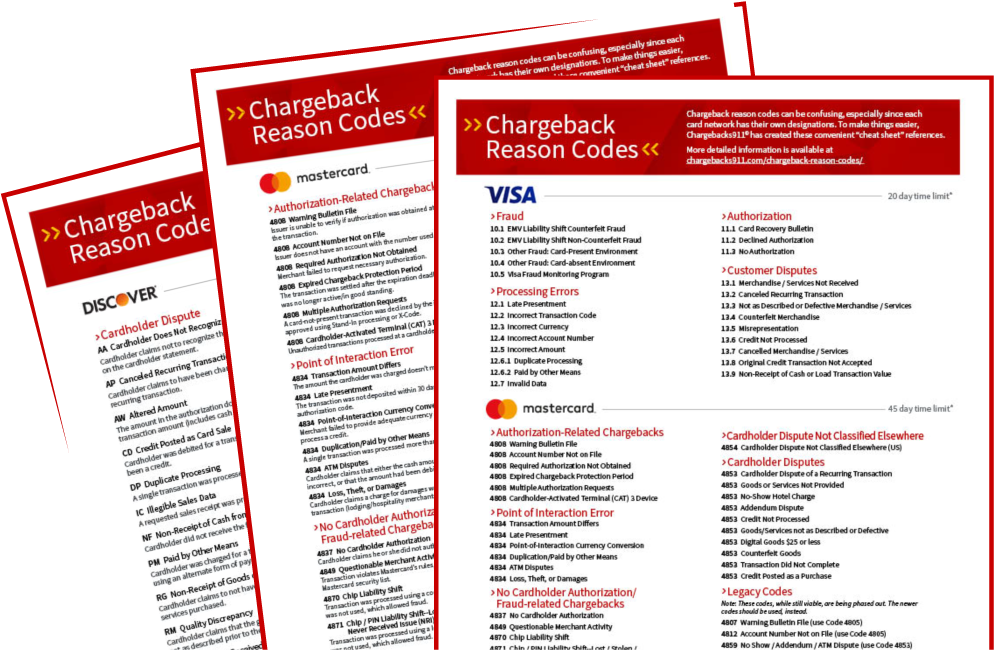
Discover chargeback reason code LP is “Late Presentation.” It’s used when a transaction is presented to Discover for processing after the applicable timeframes.
See, when a bank gives you an authorization message to go ahead with a transaction, this authorization comes with a time limit. If the transaction is not submitted for processing and clearing within the allowed time limit, then the authorization expires. You’d need to request authorization again if you want to retry the transaction.
Discover requires that merchants in most category codes (MCCs) submit sales data no more than 10 days after the sale in question. There are some exceptions for merchants in specific verticals, like lodging, car rents, and airlines.
The submission of sales data is called presentment. If you made the presentment of card details after the time limit had expired, you can expect to get hit with a reason code LP chargeback.
What Caused This Dispute?
In what situations might this come about? Here, here are a few of the more common examples:
- You simply forgot to submit the information for the transaction in question before the time limit expired.
- The transaction was part of a batch that wasn't submitted on time due to human error or oversight.
- Your payment processor experienced an outage or other delay due to technical problems.
- The transaction was initially flagged for review or verification, causing a submission delay.
- The customer’s card-issuing bank requested additional documentation, leading to a delay in submission.
- Incorrect transaction details were initially entered, requiring corrections before the transaction could be processed.
- Seasonal or high-volume periods caused processing delays due to an overwhelming number of transactions.
Getting a handle on the precise reason behind each chargeback is the key to formulating an effective solution and stopping similar events from reoccurring down the line.

How to Respond to Discover Reason Code LP Chargebacks
Staying in compliance can be hard. Let’s say you’ve diligently followed all guidelines, used clear billing descriptors, and adhered to the requirements set forth by Discover for their merchant network. Yet, you find yourself getting slapped with a dispute under reason code LP.
What's the next step?
If you believe the chargeback is invalid, you have the right — maybe even the responsibility — to challenge it. This gets done through a precise and time-sensitive process known as chargeback representment.
Representment requires you to compile evidence proving the legitimacy of the initial charge. The proof you provide needs be substantial, relevant, and directly address the corresponding reason code.
Remember, though: you’re on a time limit. Once all your supporting documents are gathered into a representment package, you have a maximum of 20 days to submit it. This timeframe may be shorter, though, based on the specific regulations of your processor.
Your representment package will then sent to Discover to be assessed. They will either verify your claim, reversing the transaction, or uphold the existing chargeback.
Learn more about representment
Acceptable Evidence for Discover Reason Code LP Responses
Discover is not just going to take your word for it. If you want to submit a response, you’ll need evidence.
You need documentation proving that you submitted the transaction for processing on time. This can include:
- A copy of the transaction receipt with the date and time clearly indicated.
- A record of the authorization approval code for the transaction.
- A log from your payment processing system showing the submission timestamp.
- Relevant correspondence with the cardholder confirming the transaction.
- A copy of your business’s shipping log or delivery confirmation, if applicable.
- Documentation from your payment processor confirming the date of the transaction submission.
Remember: the evidence you provide need to directly address the reason code given by Discover. Also, here are some more general guidelines to keep in mind when compiling your representment package:
- Ensure all documents are clear and easy to read.
- Highlight or annotate relevant information on documents for easier review.
- Clearly label and organize each document within the package.
- Provide a summary or explanation of how each piece of evidence relates to the reason code.
- Avoid submitting irrelevant or duplicate documents
According to the Discover Dispute Rules Manual, merchants have up to 30 days to submit transactions for processing if they are “s in the lodging industry, car rental industry, airline and passenger railway industries, and other travel MCCs, including passenger transport.” This extra time is also allow “for card sales that occur in a country that differs from the country in which the card was issued.”
In all other MCCs and industries, though, the merchant has a firm 10-day time limit to submit transactions for processing.
How to Prevent Discover Reason Code LP Chargebacks
Submitting a response to an invalid chargeback is good. But, it’s even better if you can prevent that chargeback from happening in the first place.
So, how do you do that? Well... you submit transactions on time, of course.
Alright, fine. If you’re looking for something a little more prescriptive, here are some steps you can take to avoid late presentation chargebacks in the future:
At Chargebacks911®, we're well aware that you're juggling a lot of responsibilities.
Ensuring client satisfaction, optimizing your services, and defending against expensive chargebacks isn't an easy feat. But, a lack of in-depth knowledge or adequate systems can inflict damage on your reputation that can spiral into a real disaster. That’s why it’s crucial to adopt a proactive approach towards preventing chargebacks.
Overwhelmed by the intricacy of handling chargebacks? Look no further. As the trailblazers in defying chargebacks and representment, Chargebacks911® is here to offer you a complimentary ROI analysis today.